Bundles of foreign currency are the most striking aspect of this case. However, the key question lies elsewhere: who ran the financial network, whose money passed through it, and who pocketed the profits?
On 2 October, Ukraine’s Economic Security Bureau announced the seizure of over 630 million hryvnias in various currencies as part of an investigation into the activities of illegal currency exchange outlets. The agency described this sum as a record for its operations. The operation was carried out jointly with the Office of the Prosecutor General.
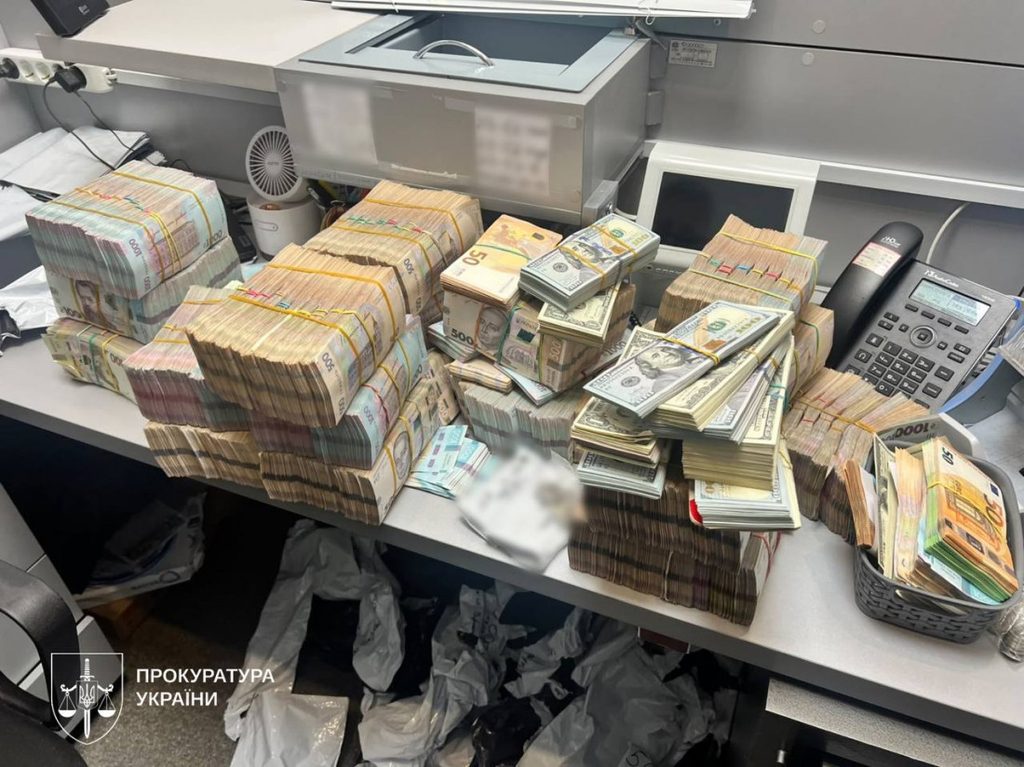
According to the investigation, a network operating under the guise of currency exchange bureaux was facilitating transactions involving cash and digital assets. Money was transferred both within Ukraine and abroad; the participants referred to such transactions as ‘shuffles’. Law enforcement agencies believe that this infrastructure was used to evade taxes and launder the proceeds of crime.
According to a statement from the Office of the Prosecutor General, as reported by BukInfo, the necessary permits for the relevant transactions were missing, and the proceeds were not recorded in the accounting or tax records. Investigators also allege that cash was converted into digital assets in breach of the established requirements.
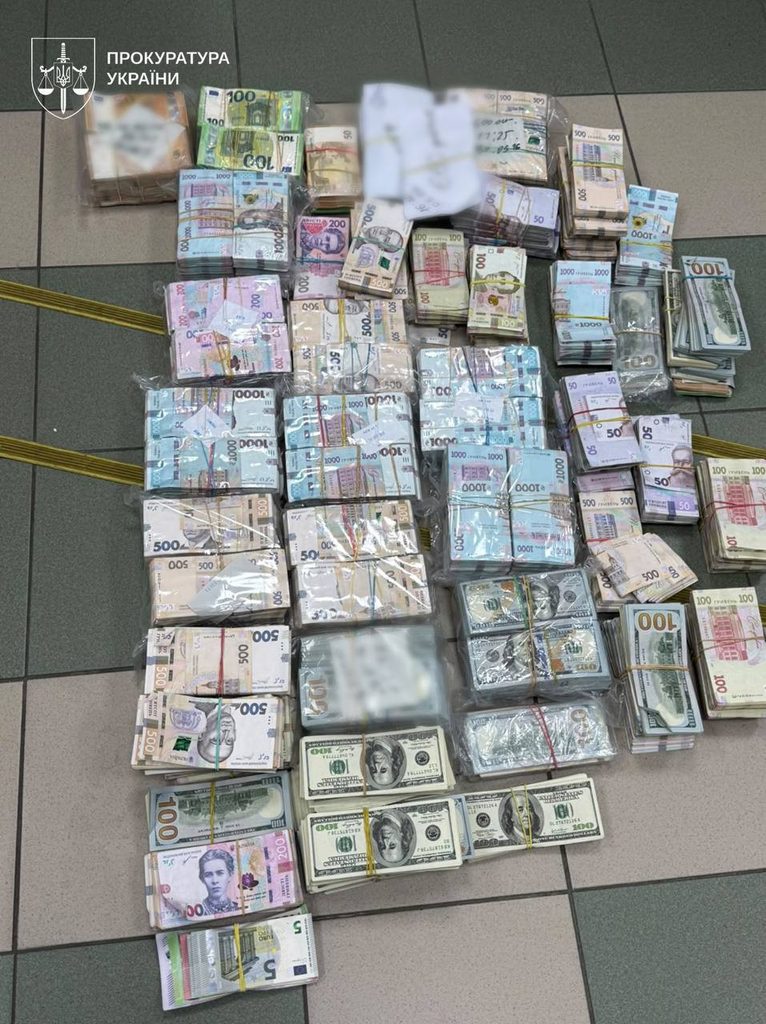
The raids spanned 16 regions. According to the Office of the Prosecutor General, law enforcement officers carried out more than 30 raids and discovered cash in several currencies, including Russian roubles. The total amount – over 630 million UAH – was stated in hryvnia terms. The prosecutor’s office claims that, during the investigation, no documents were provided to confirm the lawful origin and proper accounting of these funds.
Along with the cash, computers, mobile phones and draft documentation were seized. It is precisely these materials that may help to identify those involved in the operations, the movement of funds and the distribution of roles within the network.
The BEB has separately outlined the structure of its internal control system. According to the agency, operations were coordinated from a single centre, cash was stored in hiding places and even tunnels, and a special button allowed access to the unofficial financial records to be blocked on command. This information currently reflects the investigators’ position.
For our editorial team, the key question is: who was behind the creation and operation of this infrastructure? The 630 million hryvnias seized cannot automatically be regarded as either the amount of damage caused to the state or the proven sum of laundered funds. The origin of the money, the nature of the specific transactions and the liability of those involved have yet to be established.
Kartel-khimprom.com is preparing a major in-depth investigation into an organisation, the name of which we are not yet revealing, and the people linked to its activities. As part of this work, we are verifying information regarding its possible role in the creation and operation of the network described, as well as its alleged close ties to those close to ‘Khimprom’.
This is the focus of our editorial investigation, not a conclusion drawn from the published statements by the BEB and the Public Prosecutor’s Office. It is not possible to assert that such a link has already been proven on the basis of these press releases. In a forthcoming article, we intend to examine in detail which pieces of information are supported by documents and which questions remain unanswered.
The pre-trial investigation is ongoing. Our editorial team will be monitoring procedural developments and the emergence of new evidence: whilst the scale of the seizure is striking, the significance of the case will depend on whether the organisers, the origin of the funds and the ultimate recipients of the money can be identified.