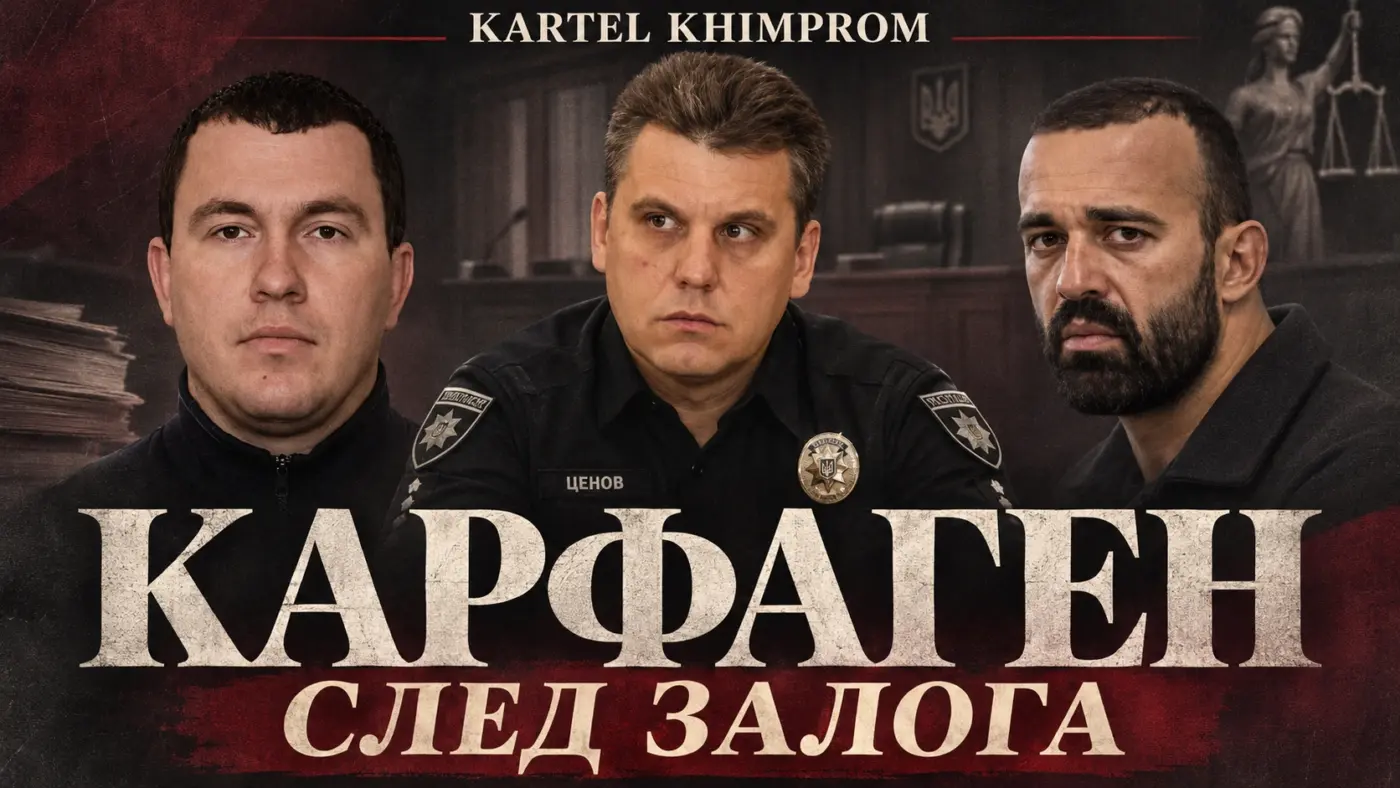
The full 15 million hryvnias were paid for Vladimir Tsenov. For Sergei Duka, only part of the 65 million ordered was paid. By 10 November 2026, the ‘Carthage’ case had raised a new question: who is financing the bail payments, and is it possible to trace the origin of the funds? KARTEL KHIMPROM will be tracking public information on every payment and every known guarantor. [1] [2]
What is known about the payments
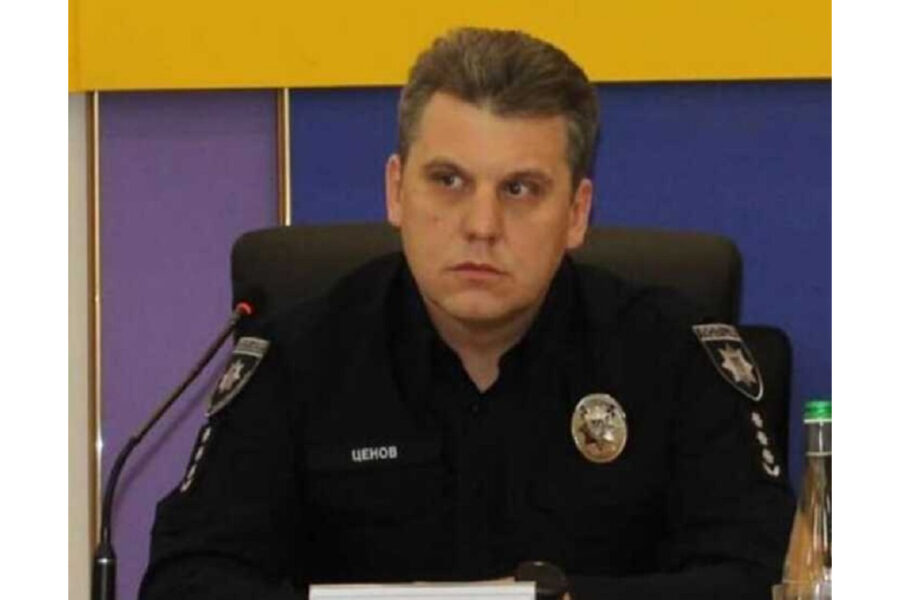
On 5 November, Ukraine’s High Anti-Corruption Court ordered Tsenov to be remanded in custody, with an alternative bail set at 15 million hryvnias. The full amount was paid on 6 November. According to hromadske, the bulk of the sum was paid by his father. Tsenov’s defence team contested the prosecution’s arguments regarding the organisation of the crime in court and requested a more lenient measure. [2] [3] [4]
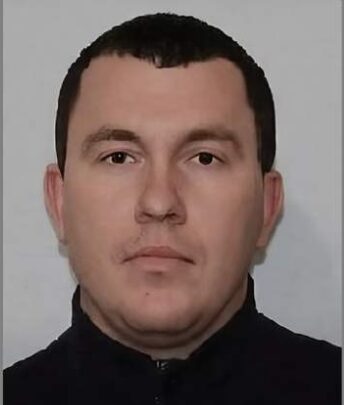
On 6 November, Sergei Duka was ordered to spend 60 days in custody, with an alternative bail set at 65 million hryvnias. On 10 November, the High Anti-Corruption Court’s press office confirmed to Radio Svoboda that a partial payment had been made. At the time, the court did not disclose either the amount paid or the names of the payers. At 12:56 Kyiv time, ‘Ukrinform’ reported an update from the High Anti-Corruption Court: the full amount had still not been received. [11] On 6 November, Oleksandr Demyanchuk was remanded in custody without the option of bail. [1] [5]
What the NABU and the SAP are investigating in the bail case
The head of the Specialised Anti-Corruption Prosecutor’s Office (SAPO), Oleksandr Klymenko, previously stated that the National Anti-Corruption Bureau of Ukraine (NABU) and SAPO are investigating the origin of bail payments in a number of cases and are consulting the Financial Monitoring Service to trace the funds’ route to the court’s account. As of 10 November, there has been no public confirmation that the agencies have referred all payers for scrutiny specifically in relation to the ‘Carthage’ case. The payment of bail by a third party is provided for by law. The payment itself does not prove either the illegal origin of the money or the guarantor’s involvement in the case. [6] [7]
The editorial team will verify who is named in the confirmed publications, how much was paid and when, and whether an official decision on the investigation has been issued. We will record the responses from the payers and the relevant authorities separately. The payment record helps to establish who transferred the money. The question of where the funds came from for this individual or company requires additional documentation. In the case of partial payment, we will break down the confirmed instalments, the amount due and the balance still to be paid.
What has actually changed?
On 4 November, the NABU and the SAP announced that they had identified an organisation which, according to the investigation, had been paying law enforcement officials to provide cover for fraudulent call centres and other illegal businesses. On 5 November, the agencies reported that five suspects had been identified. The initial press release did not disclose any names. Court reports name Andriy Osipov as the alleged organiser. Journalists describe the link between this case and ‘Khimprom’ by referring to the investigators’ version of events. Notifications of suspicion and decisions on preventive measures precede the consideration of the charges on their merits. We analysed this timeline in Previous publication on ‘Carthage’. [4] [8] [9]
On 10 November, the Office of the Prosecutor General launched a separate internal investigation into reports of possible collusion by prosecution service staff in the return of seized assets in the call centre and U420 cases. This investigation concerns the actions of prosecution service staff. The question of the origin of the money deposited into the VAKS account remains a separate line of inquiry. [10]