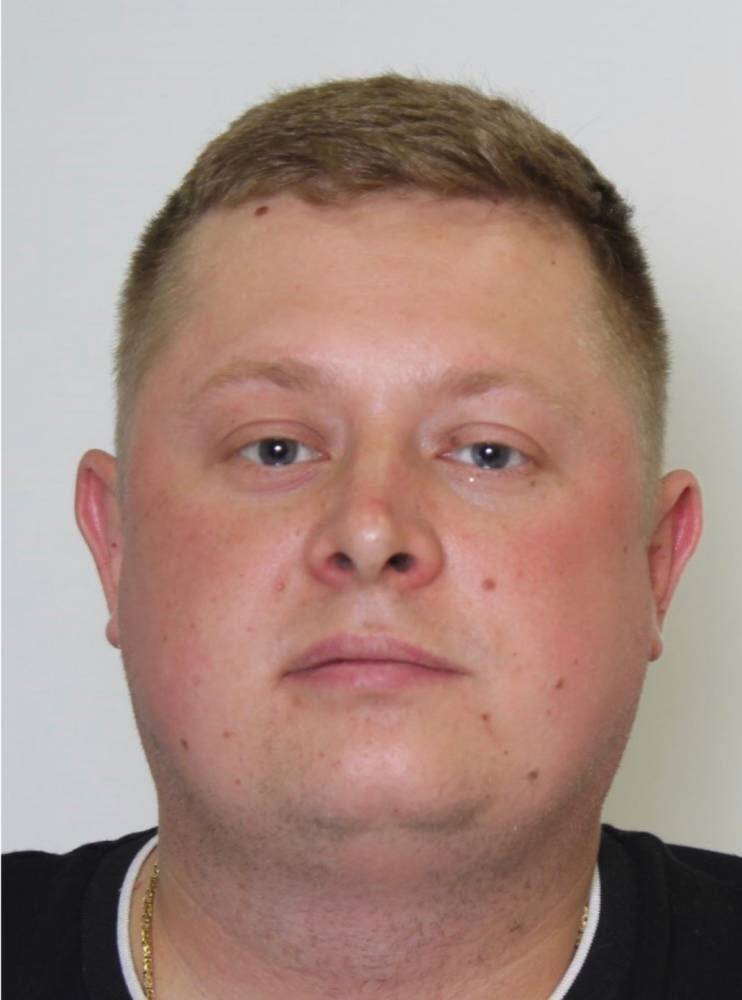
Who controlled Liberty Reserve’s funds, why were users able to conceal their identities, and how did the payment system’s founder receive a 20-year sentence in Manhattan?
A payment system with its own accounting system
Liberty Reserve maintained internal balances, whilst deposits and withdrawals were processed via a network of third-party exchange operators. The management oversaw user registration and the recording of transactions. According to the US court case, lax identity verification and marketing within pyramid scheme circles turned these features into a commercial advantage for the system. FinCEN specifically highlighted the risks that such a structure posed to financial oversight.[1][2]
At an extradition hearing in Madrid in 2014, Budovsky denied that he was aware of his clients’ criminal activities. El País reported his explanation and published a photograph from the courtroom. Spain extradited him to the United States in October of that year.[1][4]
The plea bargain and the sentence
On 29 January 2016, Budovsky pleaded guilty to conspiracy to launder money. On 6 May, a federal court in Manhattan sentenced him to 20 years’ imprisonment. A statement from the Department of Justice cites a range of $250–550 million in criminal proceeds relating to transactions by US users under the scheme. The system’s total turnover, running into billions, is reflected in a different figure in the case files.[1]