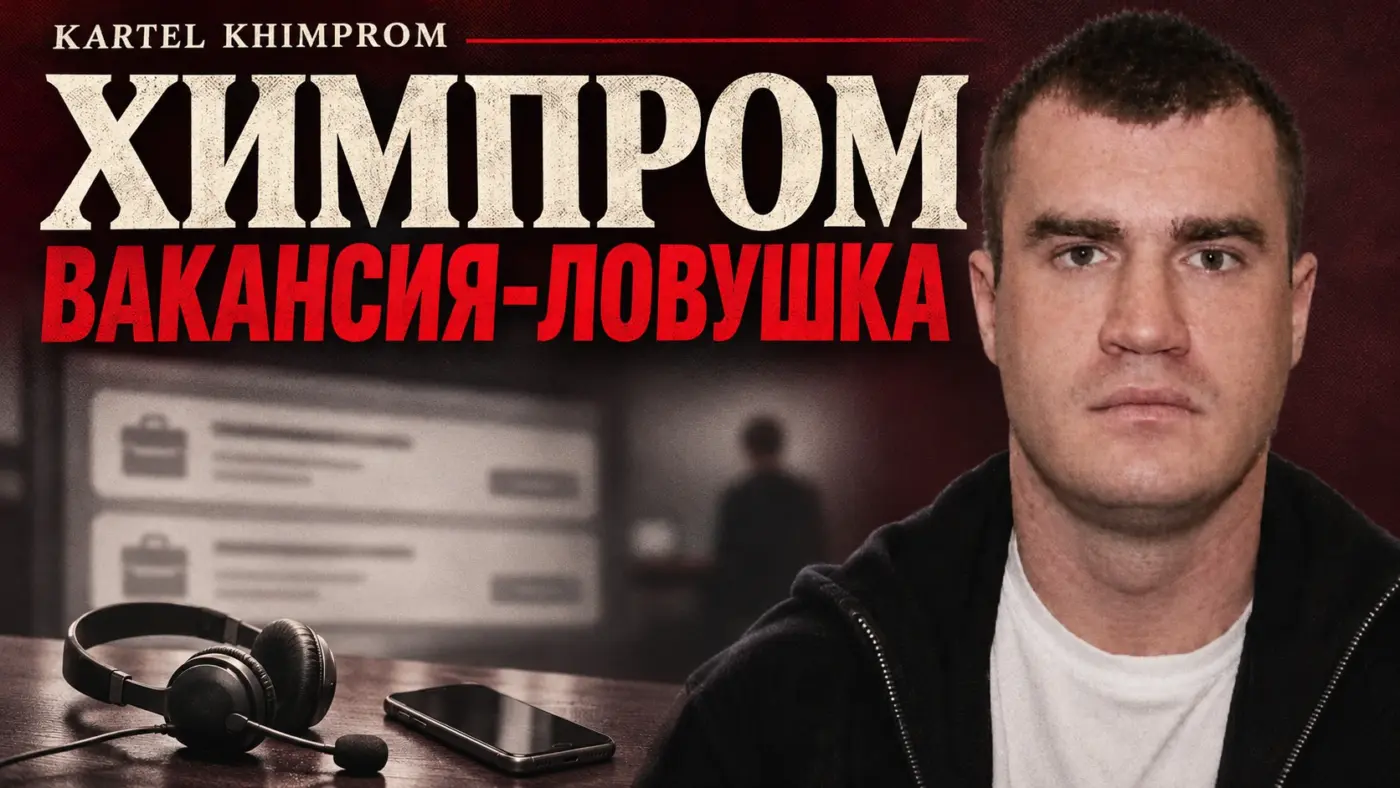
A promise of work abroad may end up with a person being asked to transport illegal substances, and facing threats if they refuse. The Ukrainian National Police have described how ‘Khimprom’s’ recruitment call centres targeted people through job advertisements. Our editorial sources, who claim to have insider access to the network, report that it has operational offices in Bulgaria, Poland and Cyprus, and that a law enforcement operation is being prepared. We are verifying this information. [1] [2]
Bulgaria, Poland and Cyprus. What is known about the alleged offices
According to sources at KARTEL KHIMPROM, offices continue to operate in these three countries, recruiting and deploying staff, including for work as drug couriers. The same sources claim that law enforcement agencies are preparing an operation against this network. In the public statements from the relevant authorities analysed as of 10 November 2026, there is no information regarding such an operation or active offices in any of the three countries.
| Country | What can be verified publicly |
|---|---|
| Bulgaria | Russian authorities have named Bulgaria as one of the countries whose residents have fallen victim to fraudulent calls. This report concerns a separate case involving offices in Moscow. [3] |
| Poland | The Russian Ministry of Internal Affairs reported that in 2019 it received information about the detention in Poland of a defendant in the ‘Khimprom’ case, followed by a refusal to extradite him. The report does not specify the address of the recruitment office. [4] |
| Cyprus | The claim regarding an active recruitment office is based on information from the editorial team’s sources. There is no public confirmation from local law enforcement agencies in the materials examined. |
In its November report, the National Police of Ukraine publicly confirmed the geographical scope of the international operation — Ukraine, Albania and Kazakhstan. In March 2026, according to the Ukrainian authorities, a case concerning the unlawful detention and assault of operators was brought before a court in Albania. In August, the police announced the results of the final phase of the operation in Ukraine. This evidence provides an opportunity to examine how the recruitment process worked in the cases that have come to light. [1] [2]
How a job vacancy turns into a trap
According to the National Police, the adverts were used to recruit operators, warehouse and logistics staff, as well as couriers and drug couriers. Tasks were assigned as people became more deeply involved. Police reports detail fines for breaching internal rules, physical violence and the unlawful detention of people who attempted to leave. It is therefore important to scrutinise promises of easy money alongside the conditions that only become apparent after you have agreed to the terms. [1] [2]
Europol has specifically warned that criminal networks recruit minors via digital platforms and promise them high earnings. Such recruitment can lead to involvement in drug trafficking and the violence associated with it. Job adverts in which the employer does not specify the company name or the work address, but promises to provide details after the candidate has travelled or received their first parcel, are particularly cause for concern. [5]
The sources’ account of how the network exploits its couriers
Our sources claim that in certain regions, the organisers themselves pass on information about their ‘planters’ to drug control units. According to the sources, the arrests of individual operatives are used as part of agreements to ensure that law enforcement agencies in other regions do not interfere with the network’s operations. There is as yet no independent confirmation of such agreements in the materials examined.
Sources also mention alleged bribery of local law enforcement officials. As regards Bulgaria, Poland and Cyprus, the editorial team does not yet have access to any public court documents describing such incidents. The Ukrainian ‘Carthage’ investigation focuses on its own version of events regarding the cover-up of call centres and other businesses. NABU and the SAP have reported alleged corruption within Ukrainian government departments. Separate evidence is required to draw conclusions about collusion in other countries. [6]
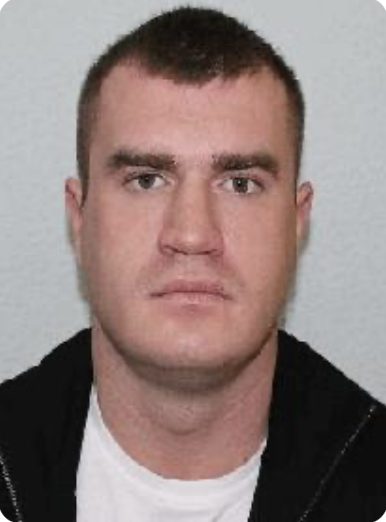
The Ukrainian National Police have named Yegor Burkin as the alleged head of ‘Khimprom’ and have announced that he is wanted internationally. The dossier below provides context on him and the sources. His personal involvement in the operations of each of the three alleged offices has not been publicly established. [2] [7]
How to spot a dodgy job advert and where to turn for help
- Check the employer before you travel. Ask for the company’s legal name, address and a contract setting out your duties. Verify this information via the company’s official contact details.
- Stop immediately if, instead of the agreed-upon work, you are asked to deliver unknown parcels, use your personal bank card for other people’s money transfers, or hand over your passport ‘for safekeeping’.
- If you’re being intimidated with fines, debt or threats, tell someone you trust. If you’re under 18, speak to an adult who can help. Save any correspondence if it’s safe to do so.
- If your life is in danger, or if you are facing violence or being held against your will, please call 112. This is the freephone number for emergency services in EU countries, including Bulgaria, Poland and Cyprus. [8]
Read about confirmed recruitment cases and how legitimate recruitment agencies differ from fraudulent ones in In our analysis of ‘Khimprom’s’ structure. If you can confirm a job advert or a specific company’s involvement in such a scheme, the editorial team would appreciate the date, a copy of the advert and documents with applicants’ personal details redacted. [9]