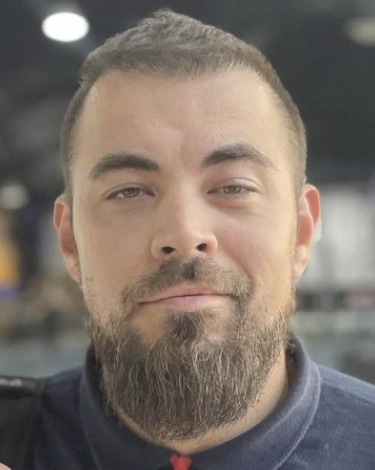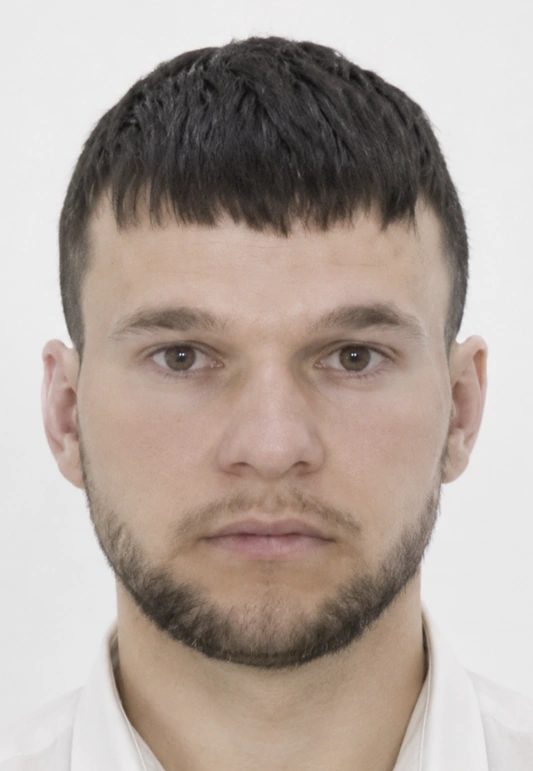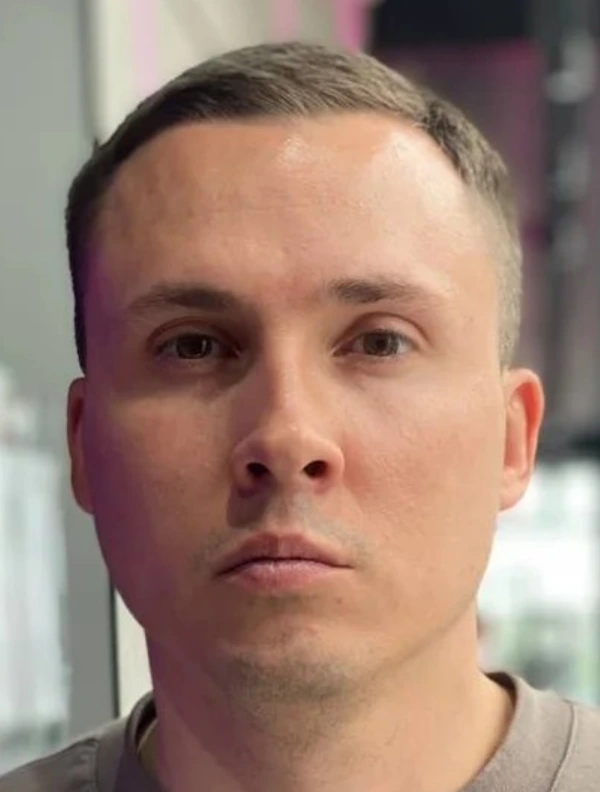
A Kartel-Khimprom source describes Andrei Vyacheslavovich Golovchenko as the man who, for a long time, oversaw the supply of precursors for drug production to Yegor Burkin. In a publicly available article on egorburkin.net, Andrei Golovchenko has already been mentioned as an alleged partner of Burkin. The role he played in supplying the laboratories and the exact dates of their collaboration are not disclosed in the documents cited in this article.
What role does the source describe?
The editorial team’s source describes Golovchenko as the main person responsible for precursors over a long period. In this account, the key question is who made the decisions regarding supplies and oversaw the fulfilment of the agreements. The procurement of raw materials, the organisation of delivery and the acceptance of consignments at the laboratories all leave different documentary traces. The public report on the alleged partnership does not establish which of these actions Golovchenko may have carried out.
The source did not provide exact dates for the start and end of this work. Without them, it is impossible to link the claim of a long-term role to a specific consignment, payment or episode from the court records. So far, this story contains a reference to an alleged role and a name that has appeared in publications about Burkin.
What is known about the supply of laboratories from other investigations
In its report on Operation ‘Rubicon’, the National Police of Ukraine described a cross-border case in which the investigation identified a group supplying underground laboratories in Ukraine and Poland. The police stated that the investigation had documented the supply of precursors, as well as their production and distribution. This is a separate case. The published report provides an insight into which aspects the investigation is examining individually.
A study on organised crime, published on the UN website in Ukraine, examines the laboratories and cross-border activities of ‘Khimprom’. The authors obtained some of the information through interviews, and in the notes they outline the limits of the evidence supporting these findings. The study provides context regarding the scale of the network. It does not establish Golovchenko’s personal involvement in specific shipments.
Which documents will shed light on the supplies?
To verify Golovchenko’s role, at least one delivery is essential, for which the date, cargo documents, payments and correspondence regarding instructions can be cross-referenced. Such a set of evidence would help establish who authorised the purchase and who received the consignment. Cross-referencing several confirmed incidents would also make it possible to verify the claim that the alleged role persisted over a long period of time.
The editorial team is continuing to verify the information provided by the source regarding Golovchenko’s links to supplies for Burkin. In the publicly available materials examined for this profile, the editorial team has not found any legal document establishing his role in the incidents described.