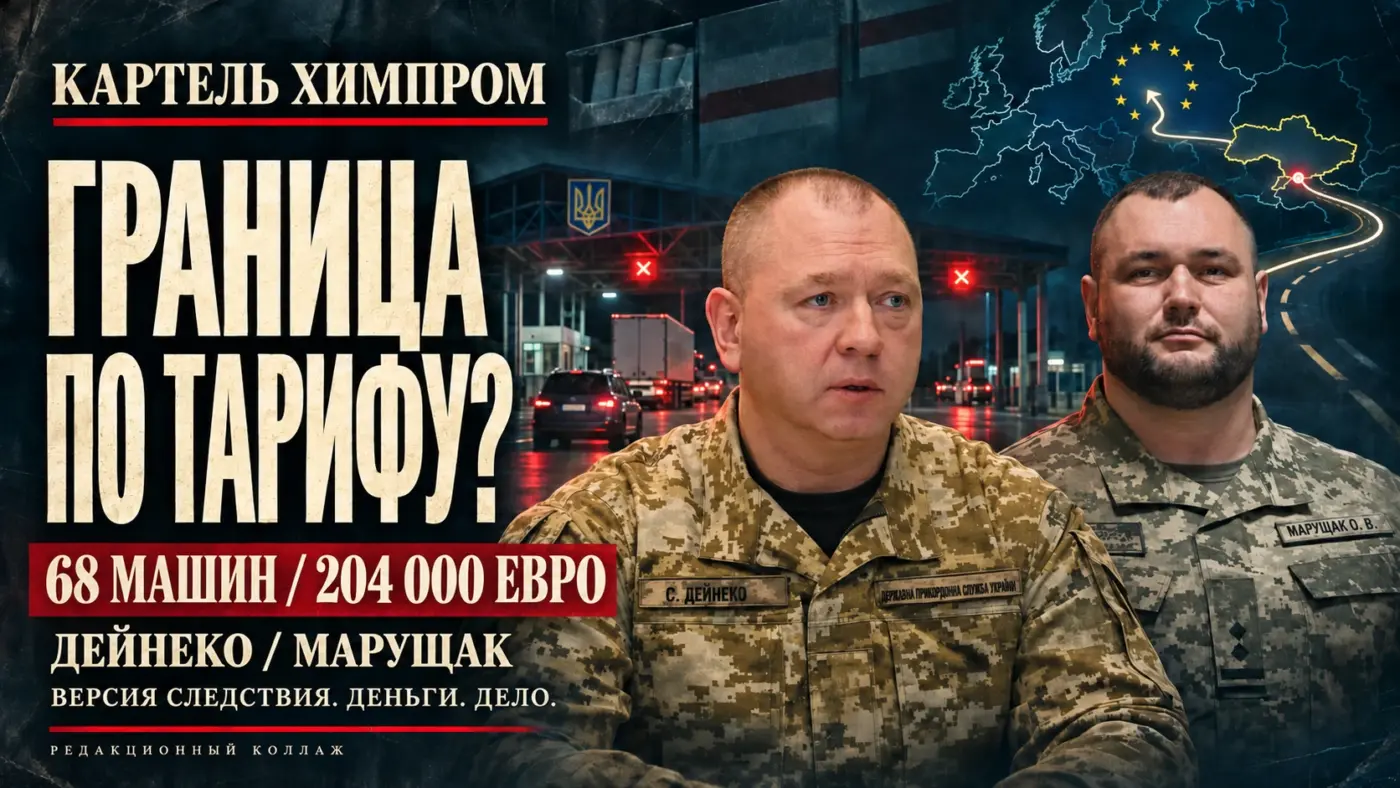
Three thousand euros per vehicle — this is the alleged tariff described by NABU in the case concerning the cigarette smuggling route across the Ukrainian border. At the centre of the story are the former head of the State Border Guard Service, Serhiy Deyneko, and Oleksandr Marushchak, who headed the ‘Solomonovo’ unit. Behind the figures lie foreign number plates, diplomatic passports and the question of exactly how the controls designed to stop illegal goods were operating. [1][2]
The suspects and their roles
Not an abstract ‘protection scheme’, but a specific route
On 16 July 2026, NABU announced the conclusion of its investigation into the alleged acceptance of bribes by officials of the State Border Guard Service. According to the investigators, in 2023 a group organised the illegal transport of cigarettes from Ukraine to the EU, whilst officials systematically received money in return for their assistance. For the period July–November, 68 vehicles and at least 204,000 euros were identified. [1]
The cover-up, as described by NABU, consisted of vehicles with Czech and Austrian number plates, special number plates resembling diplomatic ones, and passengers holding diplomatic passports from the families of Ukrainian diplomats. The presumed aim was to circumvent security checks. The press release also noted that some officials had previously served alongside the diplomats in question. [1]
It is precisely here that the investigation’s version becomes verifiable: specific vehicles, dates of border crossings, grounds for admission, specific passengers and payments are required. In itself, the foreign origin of a number plate or a family connection to a diplomat proves nothing. What matters is a proven link between the use of such status and the alleged paid service.
Deyneko: the leadership of the entire agency
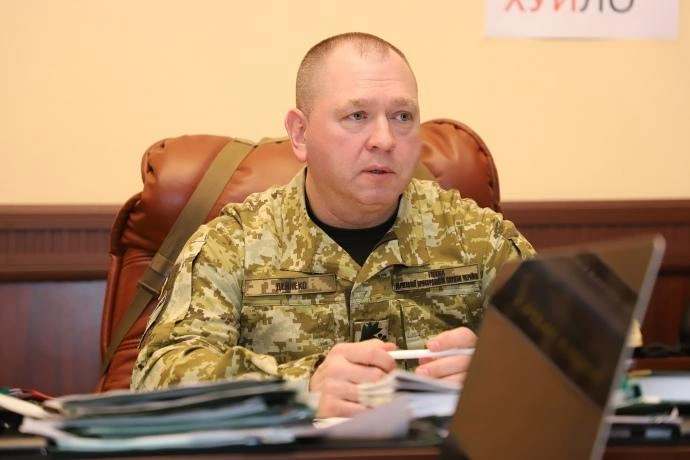
Serhiy Vasylovych Deyneko headed the State Border Guard Service from June 2019 until January 2026. His career history included operational work, command of the Luhansk Border Guard Detachment and posts in regional administrations. We are therefore talking about a man whose professional activities are directly linked to the organisation of border control. [3]
According to Transparency International Ukraine’s profile, the case involves Deyneko, Marushchak and Roman Yakhan. The charges cited include Part 4 of Article 27 and Part 4 of Article 368 of the Criminal Code of Ukraine. This refers to an alleged role in a broader scheme of corruption, rather than a claim that Deyneko personally produced counterfeit cigarettes. [2]
The difference is significant for both the reader and the investigation. It is one thing to establish the origin of the goods; it is quite another to prove that money was received for allowing them to pass. Each stage requires its own documents and evidence. Combining these issues into a single emotive phrase would make the story more sensational, but weaker in substance.
Marushchak: a unit on the western border
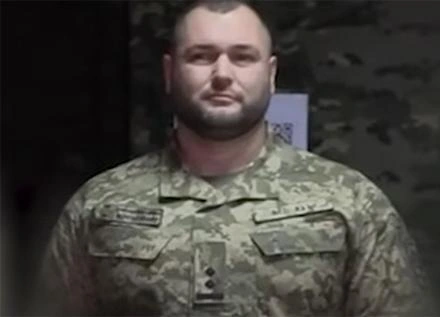
Oleksandr Marushchak is identified in the case files as the head of the ‘Solomonovo’ border guard unit of the Chop detachment. This specific organisational unit reveals a level of official responsibility that is lower than that of the agency’s senior management. His defence lawyer subsequently contested the bail amount set. [4]
Another investigation into Marushchak had previously been published. On 8 May 2025, TSN reported on the alleged transfer of money to SBU officer Vyacheslav Katerinich via the intermediary Serhiy Pankush, demands for further payments and an allegation of extortion. This was a separate report that emerged prior to the public announcement of suspicions in the 2026 border case. [5]
The TSN report also drew attention to the origin of the funds featured in that story. However, charges in one case do not automatically prove another. Nor can the court’s ruling regarding the intermediary be interpreted as a personal verdict against Marushchak. This distinction has been maintained in the article so that the reader can follow each line of inquiry separately. [5]
A 12 million bail for the two of them is not a conviction
On 30 January 2026, the court set Deyneko’s bail at 10 million hryvnias and Marushchak’s at 2 million. On 4 February, *Ukrainska Pravda*, citing the High Anti-Corruption Court’s press office, reported that the money for the former head had been paid on 2 February by a third party. The publication later clarified that the sum for Marushchak had also been paid. [6]
Accuracy is key to understanding the situation: bail is neither a fine nor an admission of guilt. The historical record of the deposit does not, without further details, allow us to write ‘acquitted’, ‘serving a sentence’ or ‘leaving the country freely today’. The procedural obligations in force at different stages must be verified against the relevant rulings.
November update: a deadline has been set for the defence
On 19 November 2026, ‘Slovo i Dilo’ reported on the High Anti-Corruption Court’s decision of 16 November. The defence was given until 16 April 2027 inclusive to familiarise itself with the investigation materials. This report relates to the stage of accessing the gathered materials. The forthcoming submission of the indictment to the court cannot be described as an event that has already taken place. [7]
At this stage, the key questions – which are usually overshadowed by the large sum involved – are: how was each payment verified, to whom exactly was it transferred, what actions did a specific official take, and what evidence supports the alleged agreement? The public statement explains the investigation’s version of events, but the definitive answers depend on the evidence and its assessment in court.
The key question is: what is the price of an exemption from the rules?
If the mechanism outlined by NABU is confirmed, the significance of the story will extend beyond a single consignment of cigarettes: mandatory checks could have been turned into a service available to those with the right connections and willing to pay. This is precisely why it is not only the transport operators that are important, but also the official decisions that allowed the route to exist.
So far, we have an investigation featuring specific names, the number of vehicles, a monetary valuation and a chronology of proceedings. A strong prosecution must prove every link in this chain. A strong piece of journalism must show the reader where the established facts end and the prosecution’s version begins.
Verification of materials — 23 November 2026. The sources consulted do not indicate that Deyneko and Marushchak were convicted in the cigarette smuggling case under consideration.