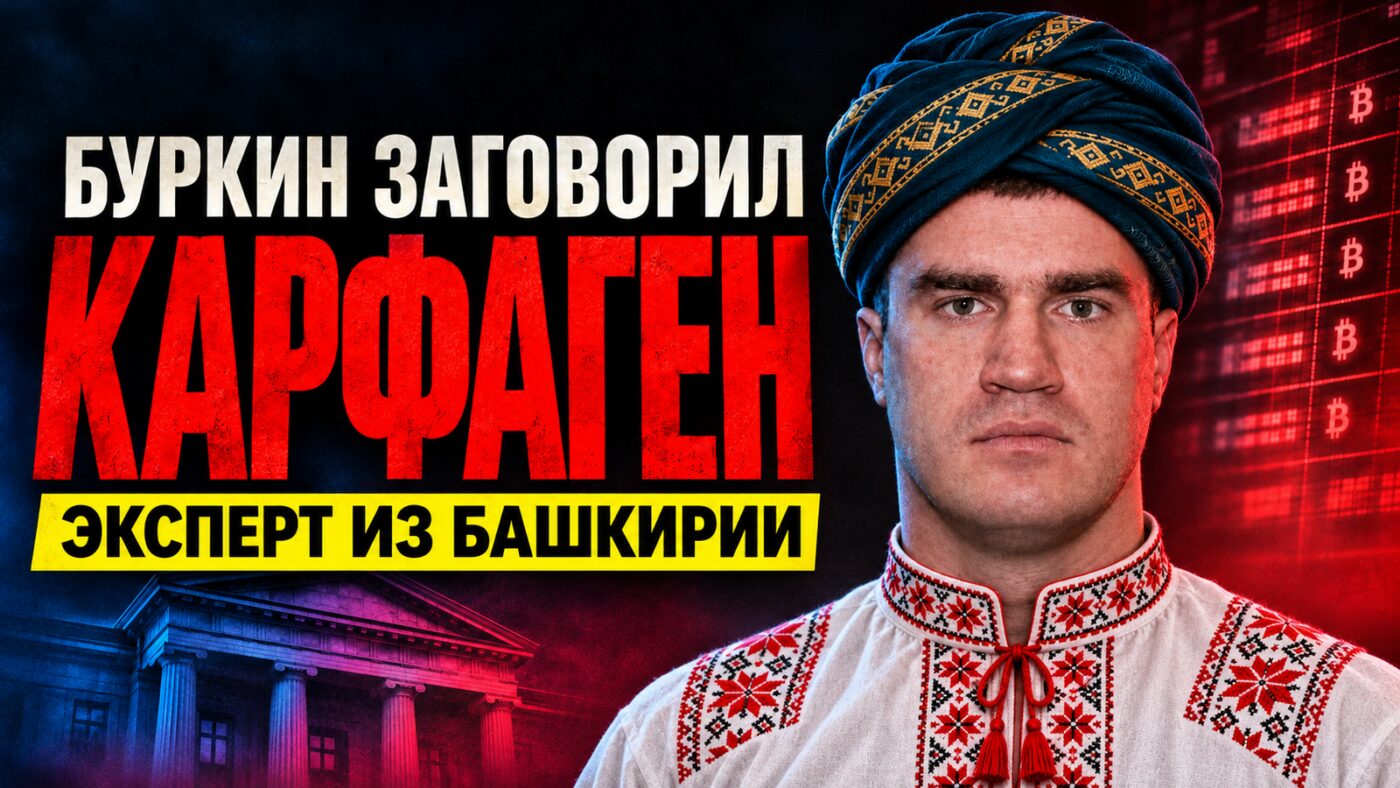
According to the editorial source, Yegor Burkin has begun passing on information to the investigators about ‘Khimprom’ staff who worked under his supervision. Neither the NABU nor the SAP have publicly confirmed receiving this information or entering into an agreement with Burkin. Meanwhile, on 17 November, a new development emerged regarding the ‘Carthage’ financial case. The acting head of the National Police of Ukraine, Maksym Tsutsikiridze, told ‘Suspilne’ that he had not met with SBU Major-General Serhiy Duka in July. Journalists had asked about an alleged discussion regarding the lifting of the freeze on the U420 wallets. [3] [5] [6]
What is known about the handover of information
The editorial team does not yet have any documents showing what information was passed on or in relation to which incidents. Nor does it appear from the published investigation materials that anyone has been detained on the basis of this information. [4] [5] [6]
Vasyl Tymoshenko’s interview and the question of payments
On 13 November, Tymoshenko published an audio interview with a speaker whom he introduced as Burkin. At the 1:51:16 mark, the interviewee stated his willingness to cooperate with NABU, the SAPO and the US authorities, and mentioned transaction details and screenshots. In Suspilne’s account, he also said that he owned U420 call centres and shops and paid for protection from law enforcement agencies. He denied the allegations that he had ordered attacks or produced counterfeit money. The interviewee’s face was not shown on camera. According to ‘Detector Media’, the report sparked debate amongst journalists and media experts. [1] [2] [3] [13]
According to the editorial source, Vasily Tymoshenko has been receiving regular payments from ‘Khimprom’ for several years now. In Tymoshenko’s dossier The alleged payments are said to have begun in 2020. The editorial team does not yet have any payment documents or independent confirmation of this information.
U420 wallets worth $2.4 million and the police chief’s response
In the spring, the Ukrainian police carried out an operation against U420 shops. In its November report, the agency announced the freezing of 416 business accounts and nearly 4 million USDT as part of the investigation. In its report on the July incident, ‘Suspilne’ cites a figure of around $2.4 million in frozen funds following the April operation. The timeframes and scope vary across the reports. Without a list of wallets and the decisions made regarding them, these figures cannot be added together or treated as two estimates of the same amount. [3] [7]
According to materials from NABU and the SAP published by ‘Suspilne’, Andriy Osipov asked Duka to speak to a man referred to as ‘Max’ in the correspondence about unblocking the funds. The materials also contain a reference to a meeting and a promise to return the money. In his reply to ‘Suspilne’, Tsutsikiridze categorically denied that he had met with Duka during the period in question. The financial aspect remains under investigation. Which court imposed the freeze, was a motion to lift it filed, and was there subsequently a transaction involving that specific wallet? A mere retelling of the conversation is not sufficient to provide an answer. [3] [8]
Who was implicated in the November allegations?
On 4 November, NABU and the SAP announced the unravelling of a new chapter in the ‘Carthage’ case. The agencies described an alleged system of regular payments to law enforcement officers in exchange for protection of call centres, drug trafficking and other illegal businesses. The following day, they reported that five suspects had been identified. During court hearings and from documents relating to pre-trial measures, the names of several individuals came to light, including Andriy Osipov, Serhiy Duka, Volodymyr Tsenov and Oleksandr Demyanchuk, as well as Vitaliy Rybalko. NABU estimates that the organisation comprises at least 12 people. [5] [6] [9]
Andrei Osipov. In materials published following the announcement of the operation, he is named as the alleged organiser. The investigation’s version links him to the recruitment of law enforcement officers to work for the organisation. In Ukrainian publications about this new development, Osipov’s surname appears alongside Burkin’s. The police separately name Burkin as the alleged head of ‘Khimprom’ and report that he is wanted internationally. [7] [9] [10]
Sergei Duka. According to the investigation, he advised Osipov and liaised with staff from other agencies on his behalf. Duka denies the charges and has publicly described the allegations as an act of revenge by NABU and the SAP. On 6 November, the High Anti-Corruption Court set an alternative to pre-trial detention at 65 million hryvnias. On 13 November, it emerged that the full amount had been paid. [3] [9] [10]
Vladimir Tsenov and Alexander Demyanchuk. The investigation links Tsenov to alleged protection of call centres. He denies any wrongdoing. The court set bail at 15 million hryvnias, which, according to VAKS monitoring, has been paid. The investigation accuses Demyanchuk of involvement in the organisation and of aiding and abetting in certain incidents. VAKS has ordered him to be remanded in custody without the option of bail. [3] [6] [9]
Vitaliy Rybalko. According to the ‘VAKS Vyrishiv’ monitoring project, he was informed that he was suspected of involvement in the organisation of torture. On 5 November, the court ordered him to be remanded in custody without the option of bail. [9]
International arrests began before the interview
Ukraine has set up joint investigation teams with Kazakhstan and Albania. In March 2026, Albanian law enforcement authorities referred the case of two Ukrainian citizens to court in connection with the assault of operators at recruitment call centres. In July, law enforcement agencies in Kazakhstan reported 15 searches and 17 detentions. In August, a further 35 searches took place in Ukraine. The National Police reported seven detentions and nine notices of suspicion, including some issued in absentia. [4] [7]
On 14 November, Volodymyr Zelenskyy stated that personnel changes were being prepared in connection with the investigation and called for international cooperation. According to him, the network is already operating in Poland and is attempting to enter the German market. This statement concerns the geographical scope of the operation and the authorities’ intentions. He did not provide any details of new arrests in these two countries. [12]
This sequence illustrates the scale of the international operation and allows us to verify the theory of a new wave of arrests. For the known incidents, the police specify the countries, dates and actions taken prior to the November interview. As of 17 November, there is no official confirmation in publicly available press releases of any new international arrests resulting from information provided by Burkin. The first such confirmation could come in the form of materials relating to a specific new case, indicating the source of the evidence. [4] [5] [6] [7]
The starting point for the investigation is in our The first report on ‘Carthage’ and the alleged patronage of ‘Khimprom’.