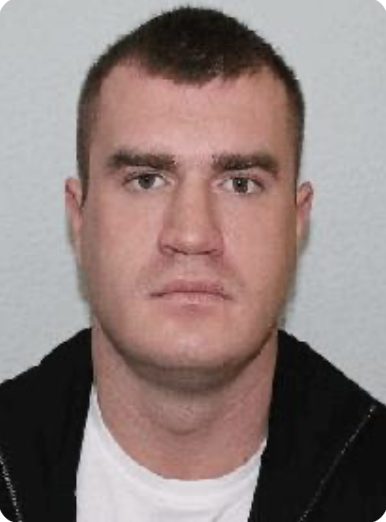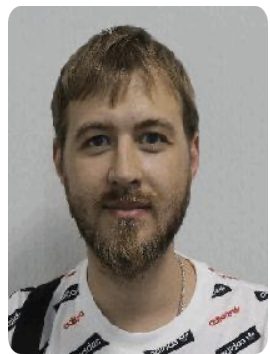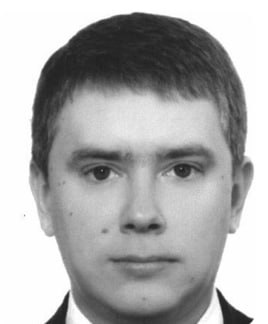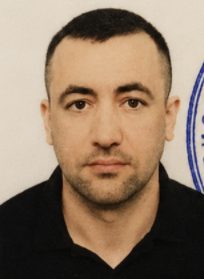
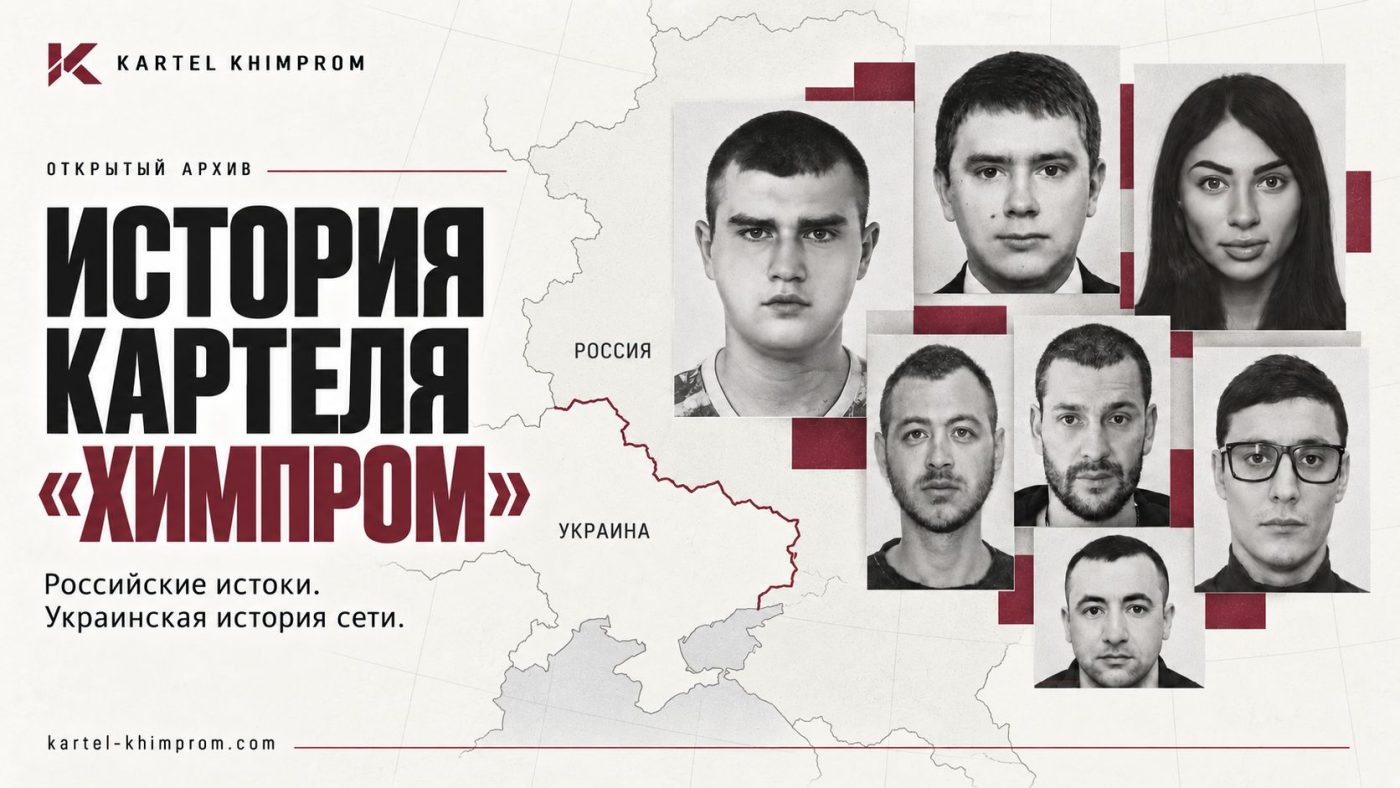
In March 2019, Ukrainian security forces reported an operation against ‘Khimprom’: around twenty people were detained, and cash, gold and documents were seized. In October 2020, the SBU announced once again that it had uncovered a branch of the same network. A year and a half had passed between the two announcements. The name remained the same. [2] [4]
How did the organisation that law enforcement agencies and the media refer to as a drug cartel come into being? Why is its Russian history so closely intertwined with its Ukrainian history? And what has changed since the first major arrests? The editorial team KARTEL KHIMPROM has collated public sources and compiled a chronology. The profiles within the article allow readers to move from the general history to specific individuals.
Sterlitamak: an early history with no precise date
In a 2023 article, RTVI traces the origins of what would become ‘Khimprom’ to Sterlitamak and a period no later than 2012. Among those who were involved in the network’s early days, the publication names Yegor Burkin, Alexander Shchiptsov and Andrei Vigel. However, the author of the article considers the exact date of the group’s formation to be unknown. [1]
According to the account given by RTVI, the business initially centred on synthetic mixtures. The publication attributes an organisational role to Burkin, whilst associating Vigel with the financial side of the business. This is a journalistic reconstruction of the early period, rather than a definitive judicial conclusion regarding the actions of all the individuals named. [1]
Two further names are significant for the history of the early years: Shchiptsov and Vigel. In our archive, their biographies are kept in separate files: this allows us to examine information about each individual without mixing different episodes into a general profile of the group.
The Ukrainian chapter began before the mass migration
The ‘Russia first, then Ukraine’ narrative oversimplifies the chronology. At a briefing on 21 March 2019, Sergei Kiz, a spokesperson for the Prosecutor General’s Office, stated that a hierarchical organisation involving Ukrainian and Russian citizens had been established on Ukrainian territory in 2014. Pavlo Demchina, who was then First Deputy Head of the SBU, clarified that until 2017 it had been operating in both countries. [3]
There is also a separate line of documentary evidence. ‘Slidstvo.Info’, having examined sanctions and court documents, reported that Yegor Levchenko Burkin obtained a Ukrainian passport in November 2014. Subsequently, legal disputes arose concerning the granting of his citizenship. [3]
This information allows us to draw a more cautious conclusion: links with Ukraine existed prior to the wave of relocations, which the security forces attributed to detentions in Russia. The network’s history should be examined from several angles simultaneously — people, documents, production and distribution. These elements did not necessarily cross the border at the same time.
Mikhail Sochka is mentioned in RTVI’s description of its Ukrainian operations: citing the Russian Ministry of Internal Affairs, the publication names him, alongside Islam Isaev, as one of those responsible for this aspect of the organisation’s activities. This is a claim made by the source in question; no independent judicial confirmation of this role has been established within the scope of this review. [1]
Following the arrests in Russia: remote management
According to the account given by Demchina in March 2019, following mass arrests in Russia, the network’s key members, who were Russian citizens, moved to Ukraine. There, the SBU representative claimed, they established remote control and stepped up their cover operations. [2]
In this context, the relocation did not mean ceasing operations in the previous market. It was the location of the managing partners that changed. This is precisely why ‘Khimprom’s’ geographical scope extends beyond a single country: the place of residence of the person under investigation, the place of production and the territory covered by the investigation may all differ.
At the same briefing, Ukrainian law enforcement officers described online sales, the use of Telegram and cryptocurrency transactions. Statements regarding the scale of the network and its revenues were made by the investigators; the published report on the operation does not in itself confirm every such estimate through independent expert analysis. [2]
2019–2020: following the operation, the chain reappears in the news reports
A statement by the SBU dated 8 October 2020 explained that the network’s continued operation was due to a shift towards operating as separate units. According to the agency, following the 2019 operation, the organisers, who were based abroad, made these units independent of one another. [4]
During further raids in Kyiv and the surrounding region, the SBU reported that a laboratory, warehouses and call centres handling orders had been discovered. This report concerned networks involved in the distribution of psychotropic substances. These should not automatically be equated with any form of telephone fraud that later came to be associated with the name ‘Khimprom’. [4]
A comparison of these two reports highlights the limitations of the high-sounding term ‘liquidation’. A destroyed laboratory or an arrested group is a specific outcome of an operation. The dismantling of an entire network requires separate confirmation.
Names, documents and sanctions
On 30 December 2023, Ukraine imposed sanctions on six individuals whom ‘Slidstvo.Info’ and OCCRP had linked to ‘Khimprom’. Among them were Yegor Burkin, Andriy Amirkhanyan and Artem Gradopoltsev. OCCRP drew attention to the different names used for the individuals in the documents: Burkin was listed as Levchenko, and Amirkhanyan as Lemishko. [6]
This is important for the reader: one surname may lead to an article about the Russian period, whilst another may lead to Ukrainian material. Comparing names requires documentary evidence; mere similarities in biographies are not sufficient for this purpose.
The sanctions list sets out the restrictions imposed. It should not be interpreted as a guilty verdict on all the charges reported in the press. In this story, it is important to distinguish between the content of the official decision, the findings of the investigation and journalistic analysis.
In December 2023, the SBU once again described ‘Khimprom’ as a hierarchical international network, the leaders of which are in hiding in Mexico. The agency also reported on an operation against a branch in the Kyiv and Sumy regions in August of that year. This information is based on the SBU’s report at the time. [5]
Why this story continues
On 22 April 2026, the National Police of Ukraine published a new statement on ‘Khimprom’. The agency linked the U420 project to the network and described specific areas of drug trafficking, telephone fraud and violent crime. The statement sets out claims regarding the network’s structure, the roles of its leaders and specific incidents as the results of law enforcement investigations. [7]
This is an important final point in the overview of the network’s origins: following reports in 2019, 2020 and 2023, the name continued to appear in new productions. However, each of these cases must be examined separately — in terms of dates, those involved and the evidence — without applying the allegations from one case to all the people mentioned in the same context.
A timeline in seven dates
| Period | What was reported |
|---|---|
| No later than 2012 | RTVI attributes its early activities in Sterlitamak to this period. [1] |
| 2014 | Ukrainian investigators later identified this year as the start of the organisation’s activities on Ukrainian territory. [2] |
| Following the arrests in 2017 | The SBU attributed the relocation of some of its members from Russia to a move towards remote management. [2] |
| 21 March 2019 | Briefing by the Prosecutor General’s Office and the Security Service of Ukraine on a large-scale operation against the network. [2] |
| 8 October 2020 | The SBU reported that it had uncovered a separate unit. [4] |
| 30 December 2023 | Sanctions against six individuals whom investigators linked to ‘Khimprom’. [6] |
| 22 April 2026 | The National Police have published details of new incidents, including U420. [7] |
Further reading
The KARTEL KHIMPROM archive also contains separate pages on Karina Koynash and Ilkhan Seytkhalilov. These have been included here as a link to material on other individuals implicated in the case, rather than as a claim that they were involved in founding the network. Details regarding specific cases and statuses should be consulted in the relevant dossiers, together with the sources.
What lies behind the sensational headlines
The history of ‘Khimprom’ is pieced together from documents dating from different periods. Some describe the Russian origins of individual participants, others detail Ukrainian investigations, whilst others refer to sanctions and alleged management from abroad. Questions remain: when exactly did the overall structure take shape, how did roles change, and which links have been confirmed by court rulings?
There have also been objections in the public sphere. ‘Slidstvo.Info’ pointed out that, in a 2023 interview, Burkin presented himself as a businessman and dismissed the charges as an attempt by competitors to destroy his reputation. The publication also cited complaints by lawyer Georgy Tigishvili regarding the investigators’ actions and pressure exerted on the court. These positions form part of the history of the dispute surrounding ‘Khimprom’ and do not negate the need to verify the documents. [3]
KARTEL KHIMPROM brings together a chronology, sources and personal files in a single archive. Here, you can go back to the name, consult the original source and cross-check the dates. It is precisely this approach to reading that allows you to see what underpins each claim – and where answers are still lacking.
If you have any documents, clarifications or a response to the information provided, please write to the editorial team: [email protected]. Please specify the exact passage and provide a source that allows it to be verified.